
Chemical Peels

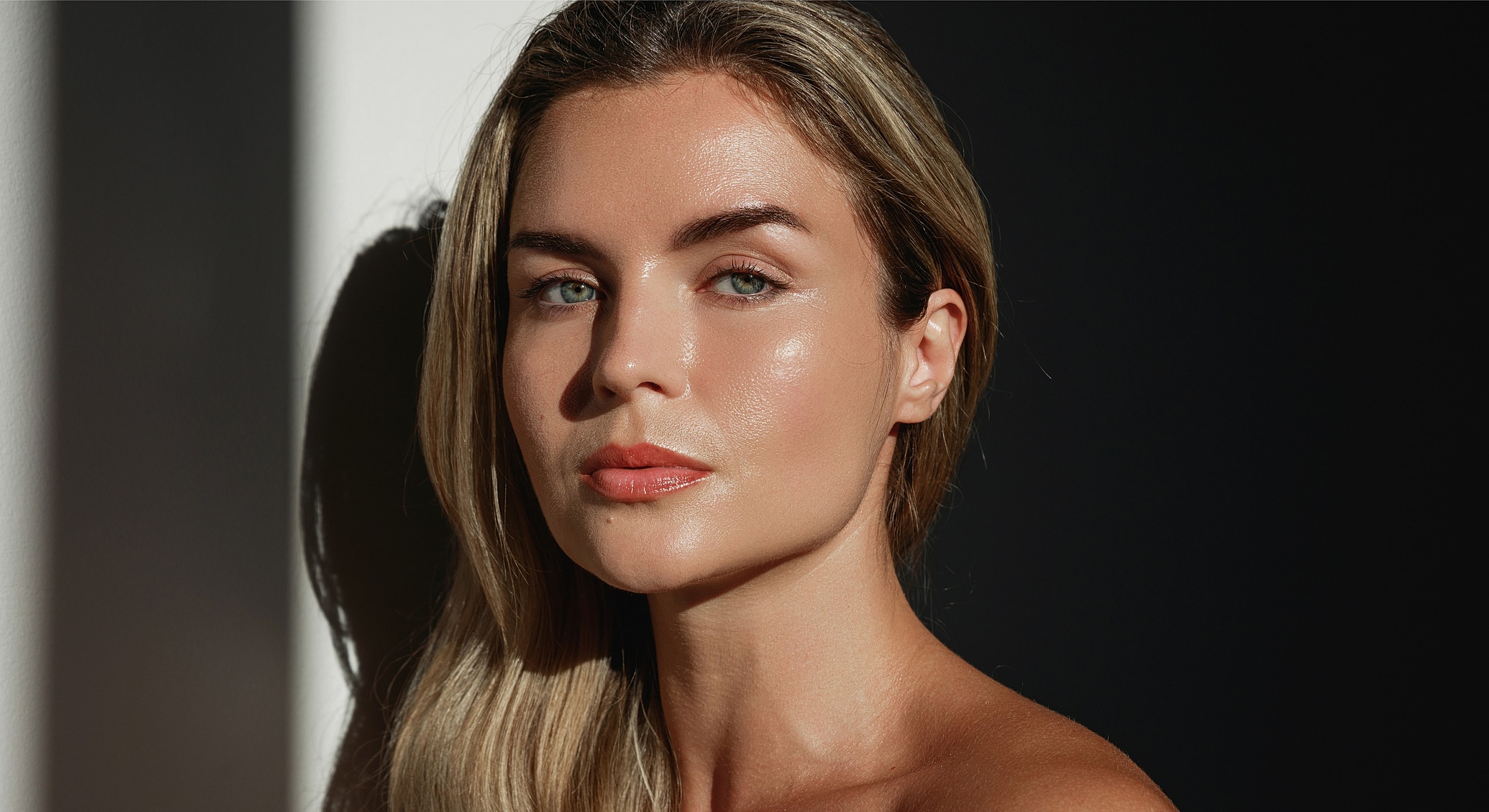
Sun exposure, environmental stress, and the natural slowdown of cellular turnover cause dead skin cells to accumulate on the surface layer of the dermis. This buildup often results in uneven pigmentation, rough skin texture, clogged pores, and a dull overall complexion that fails to reflect light.
At On The Glow Medspa & Aesthetics in Porter Ranch, custom chemical peels provide controlled, clinical exfoliation. By applying specialized acid solutions that gently loosen the bonds holding dead skin cells together, chemical peels shed dull surface layers to reveal fresh, smooth, and evenly pigmented skin underneath.

Smooths rough skin texture, fades dark spots, unclogs congested pores, and improves fine lines.
Ranges from zero downtime (superficial peels) to 3–7 days of light to moderate peeling (medium-depth peels).
Visits take approximately 30 to 45 minutes, including skin preparation and solution neutralisation.
Radiance and smooth texture are noticeable following peeling, with cumulative results building over a series of 3 to 6 treatments.
A chemical peel is a clinical skin-resurfacing technique that involves applying an active acid solution to the skin to dissolve microscopic intracellular bonds. Once these bonds are broken, damaged surface cells shed naturally over the following days, triggering the skin’s natural repair response.
Chemical peels are classified by their depth of penetration:


We use chemical peels to dissolve the bonds holding dead skin cells together. This causes the dull top layer to slough off, revealing fresh, baby-soft skin underneath. It triggers a burst of cell renewal. We customize the strength from "No-Peel" peels that just glow to deeper peels that shed skin to remove sun damage.
The provider systematically applies the chemical peel solution to the skin. During application, patients typically feel a brief tingling, warm, or mild prickling sensation. Depending on the specific peel formulation used, the solution is either neutralized after a precise timeframe or left on the skin to self-neutralize at home. The session concludes with the application of soothing barrier creams and broad-spectrum physical sunscreen.
Check out our latest specials to see if there are any current promotions on chemical peels.
Lightens dark spots, solar lentigines, and melasma by shedding melanin-laden surface cells.
Smooths rough, bumpy, or coarse skin to create a soft, uniform surface.
Salicylic acid formulations dissolve oil within pores to clear active breakouts and blackheads.
Stimulates epidermal turnover to soften initial signs of aging around the eyes and mouth.
Fades residual dark marks left behind by healed acne blemishes.

Chemical peels are suitable for adult men and women looking to address skin dullness, fine lines, acne, or sun damage. With tailored acid selections, chemical peels can safely treat all skin types (Fitzpatrick I–VI).
Chemical peels are contraindicated for individuals with active skin infections, open cold sores, active dermatitis or eczema in the treatment area, recent isotretinoin (Accutane) use within the last 6 months, or women who are pregnant or nursing. A complete skin evaluation is conducted at On The Glow prior to application to select a safe, compatible peel depth.
Recovery depends on the depth of the chemical peel administered. Superficial peels require no social downtime, while medium-depth peels involve a predictable 3 to 7-day shedding period.
For medium-depth peels, skin may feel tight and appear slightly red over the first 48 hours. Between days 3 and 5, light to moderate flaking or peeling begins around the mouth and nose, spreading to the rest of the face before resolving by day 7.
To ensure safe healing and prevent hyperpigmentation, patients must follow these guidelines:
Initial skin smoothness and improved clarity are noticeable once active shedding completes around day 5 to 7. The fresh underlying skin appears brighter, with a refined surface texture and minimized pore appearance.
While a single superficial peel offers a fantastic radiance refresh before an event, achieving significant correction for stubborn hyperpigmentation or acne scars typically requires a series of 3 to 6 treatments spaced 3 to 4 weeks apart. Maintenance peels every few months help sustain long-term skin health and clarity.

Delivering safe chemical resurfacing requires thorough knowledge of acid chemistry, skin histology, and Fitzpatrick skin typing. At On The Glow Medspa & Aesthetics, our experienced clinical team evaluates skin barrier integrity before selecting precise peel formulations and neutralization timing.
Serving patients across Porter Ranch, Granada Hills, Northridge, Chatsworth, and the wider San Fernando Valley, our practice prioritizes skin safety, clear post-care instructions, and consistent clinical results.
Most patients feel a temporary warming, prickling, or stinging sensation while the acid solution is active on the skin. Discomfort subsides rapidly once the solution is neutralized or has settled.
Not necessarily. The amount of visible peeling depends on the depth and acid blend used. Superficial peels may cause microscopic flaking, whereas medium-depth TCA or Jessner’s peels produce light to moderate peeling similar to a sunburn.
Yes. However, deeper Fitzpatrick skin types (IV–VI) require specific peel formulations (such as mandelic, salicylic, or low-percentage TCA blends) paired with pre-treatment skin preparation to prevent post-inflammatory hyperpigmentation.
For superficial peels, makeup can usually be applied the next day. For medium-depth peels, patients should wait until active peeling has finished (typically 3 to 5 days) to avoid clogging exposed skin.
For general maintenance, a single peel every 1 to 2 months is ideal. For corrective treatment of hyperpigmentation or acne scarring, a structured series of 3 to 6 peels spaced 3 to 4 weeks apart yields the best outcome.
Cost varies depending on the depth of the peel, the specific acid formulation selected, and whether a single session or a package series is purchased. Complete pricing details are reviewed transparently during your consultation, with 20% off available for new clients.

Porter Ranch • Northridge • Granada Hills • Chatsworth • Santa Clarita • Stevenson Ranch • Calabasas • Hidden Hills • Woodland Hills • West Hills • San Fernando Valley • Los Angeles • Encino • Tarzana • Sherman Oaks • West Hills • Sylmar